
Barcelona
A Portrait of a Confident City

Last night I landed back in Sydney after nine months away. Most of that time I was in Barcelona — my second home. As I sat today, wondering what to post on Everyday Muse, I looked at the half-written pieces in my notebook and knew: it had to be Barcelona.
There’s always a risk in writing too soon — when everything is still fresh, it’s hard to be objective. Yet there’s a greater risk in waiting: the mind pushes details away, the edges blur. So I write now, while the city still hums in me.
This is not a travel piece. If you’re after tips or itineraries, stop reading. What follows is something else — an attempt to understand the city’s allure and uncover the hidden beauty, peculiarities, and contradictions of a place I’ve called my second home for the past six years.
1. Let’s start with the name
It isn’t Barça or BCN — it’s Barna or Barcelona. Some locals say Barna, though most stay faithful to the full name. I side with the pijos (pronounced PEE-hohs) on this — Barna sounds too plain, too provincial, so I avoid it. More on pijos later.
Calling the city Barça is a common slip. It may sound musical, but it belongs to the football club, not the city itself. And that little tail under the ç? It softens the sound — pronounced like s, never ch.
BCN is just the airport code, like ORY for Paris Orly or LGW for London Gatwick — only Barcelona was lucky enough to get one that echoes its own name. So don’t use it unless you’re jotting down something that will never be shared.
And then there’s the letter c. This is Catalonia’s proud capital, where language itself matters and carries history. I favour the Catalan pronunciation, where c whispers like s — “Bar-se-LO-na.”
In Castilian Spanish, it shifts to a soft th sound, as in English — “Bar-the-LO-na.” It’s one of those subtle distinctions that reveal where someone is from — and how they wish to be heard.
2. Living with two languages
At first, it can be hard to tell Catalan and Castilian apart — the two are used interchangeably in daily life. In writing, Catalan is easier to spot: full of x’s and familiar words like amb, meaning with. If you see just one line of text, if it’s an official sign from the municipality, or if it’s children talking in the street, it’s probably Catalan.
Most kids now speak it at schools and with friends, the result of an education system that has placed strong emphasis on the language in recent years. This, in turn, has encouraged many adults from non-Catalan backgrounds to return to classrooms to learn it.
Among adults, both languages coexist naturally. I’ve been told the language you first speak with someone tends to stay as the one you use together — a kind of linguistic imprint. That creates a confusing scene for foreigners like me: person A speaks to B in Castilian, B answers C in Catalan, and C replies to A in Catalan — all in one conversation. I often joke that Catalans must be extra smart to switch languages so effortlessly. Yet the younger generation seems to drift back to Catalan whenever they can — it’s where they sound most at home.
3. The locals live away from the sea
Locals mostly live north of the city, clearly divided by the Diagonal — the grand avenue that literally cuts the map in two, making travel surprisingly easy. This northern half is home to both Catalans and pijos, the posh people of every background.
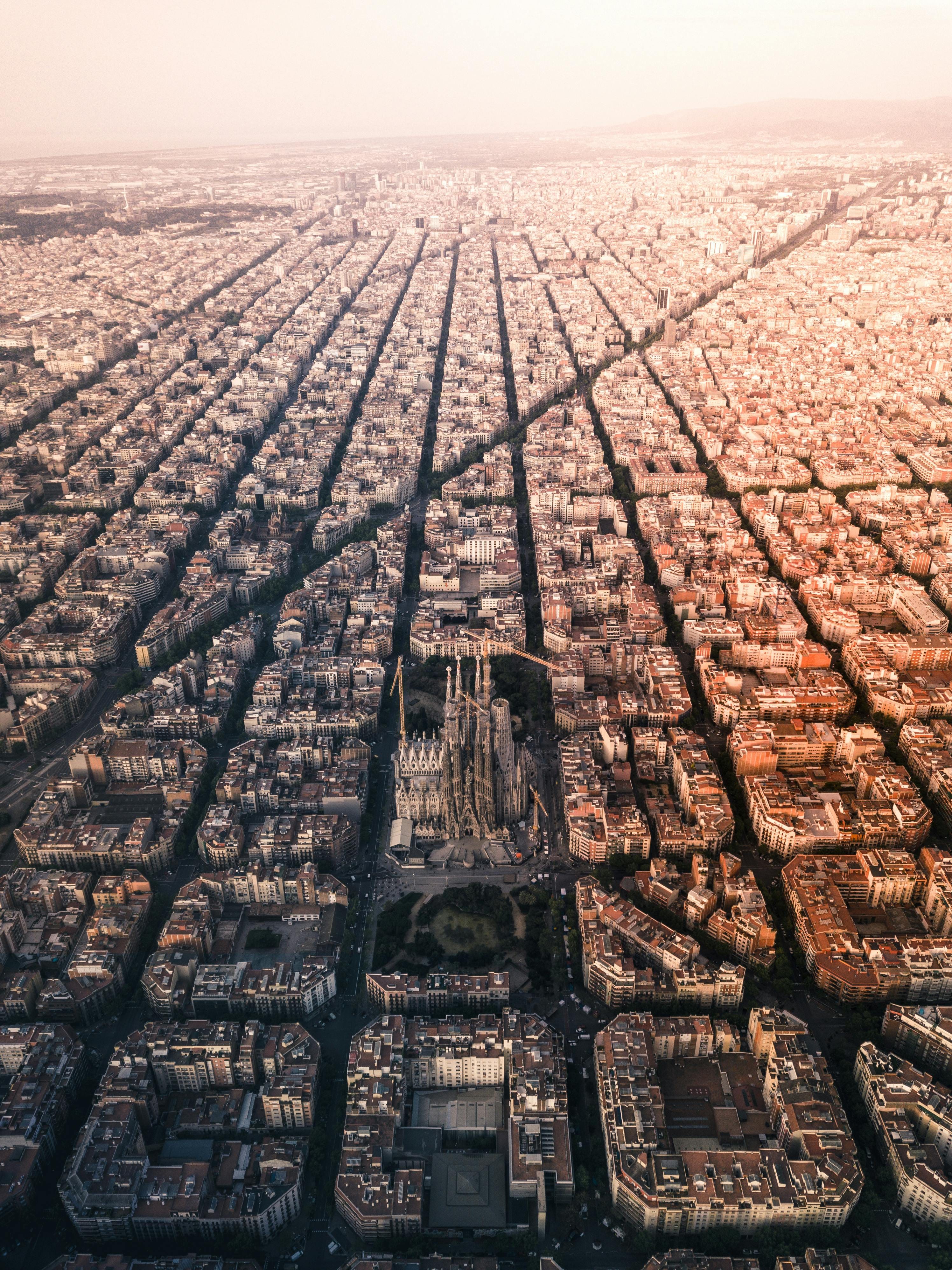
When Barcelona prepared for the 1992 Olympics, its coastline was transformed, the beaches renewed. Yet even today, those beaches — and most of the southern side of the Diagonal — belong mainly to newcomers and tourists.
True locals remain in the north, where only a lucky few with penthouses enjoy sea views. Most escape instead to their weekend homes along the Costa Brava — that long, shimmering stretch of coastline reaching all the way to the French border, dotted with villages tucked just inland.
Some even have a third house in the Pyrenees, for skiing in winter, cool air in summer, and hiking in between. Many live, in a sense, within a triangle. By the weekend, the city is kindly left to the expats and tourists. Both coast and mountains lie less than two hours away — close enough to make this rhythm of life feel entirely natural.
Back to the pijos — they’re a subculture woven into daily conversation, often the subject of jokes, criticism, or quiet resentment. Unlike posh, pijo carries a sharper edge. The way someone dresses, behaves, or even speaks can earn them the label. No one I know likes to be called a pijo; those who are usually grow defensive.
4. Long days, every day of the week
Days in Barcelona are long. You seem to fit more into a single day than anywhere else I know. The city’s design, its social rhythm, and its easy culture all work together to stretch time — every day feels generously wide.
There’s little commuting, so life expands. The terraces make socialising visible, enviable, and endlessly inviting. People are open and available. You don’t need to plan or justify much — there’s always someone to meet, or someone who will start a conversation if you’re alone. That ease of connection was one of the reasons I chose this city.
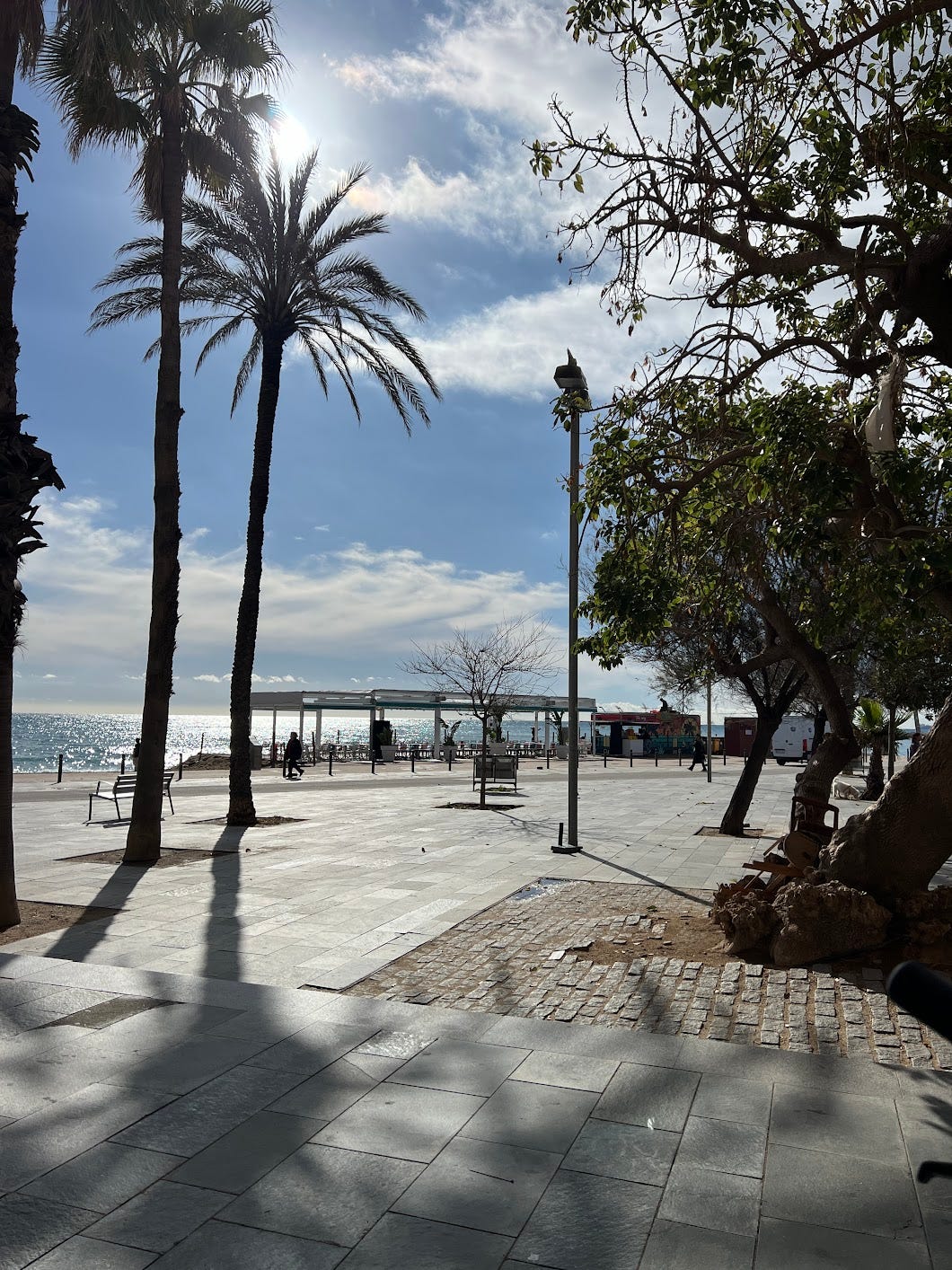
Every city has a smell. For Barcelona, it’s the sweet, buttery scent of croissants in the morning. Yet good coffee takes patience: most cafés open around nine, my favourite not until ten. Before eight, the streets are empty and still dark. Franco once aligned Spain’s clocks with France and Germany, and the country never switched back. Technically, it should share the same time zone as the UK and Portugal.
In one day, you can be astonishingly social — coffee with friends by the beach at eleven, lunch from two to three-thirty, aperitivos or ice cream on a terrace between five and seven, and dinner with others after nine. Four rounds of company in a single day. I’ve learned the trick to keeping up: a siesta before or after aperitivo hour, and exercise in the morning to stay balanced.
5. A passion for food
Barcelona’s love of food is everywhere. Its many markets — always walkable, always lively — overflow with colour. Seasonal eating keeps them interesting: each visit is a small discovery.
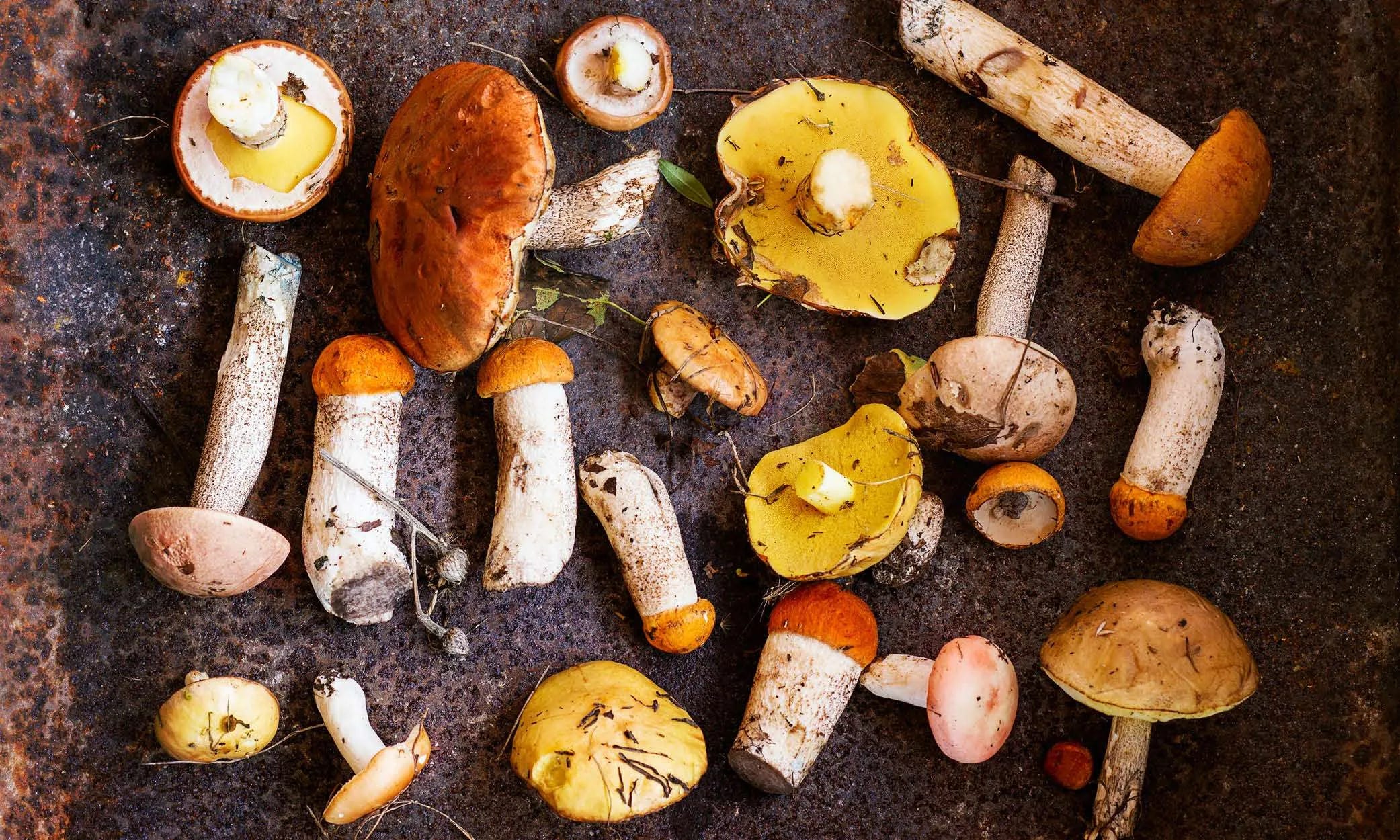
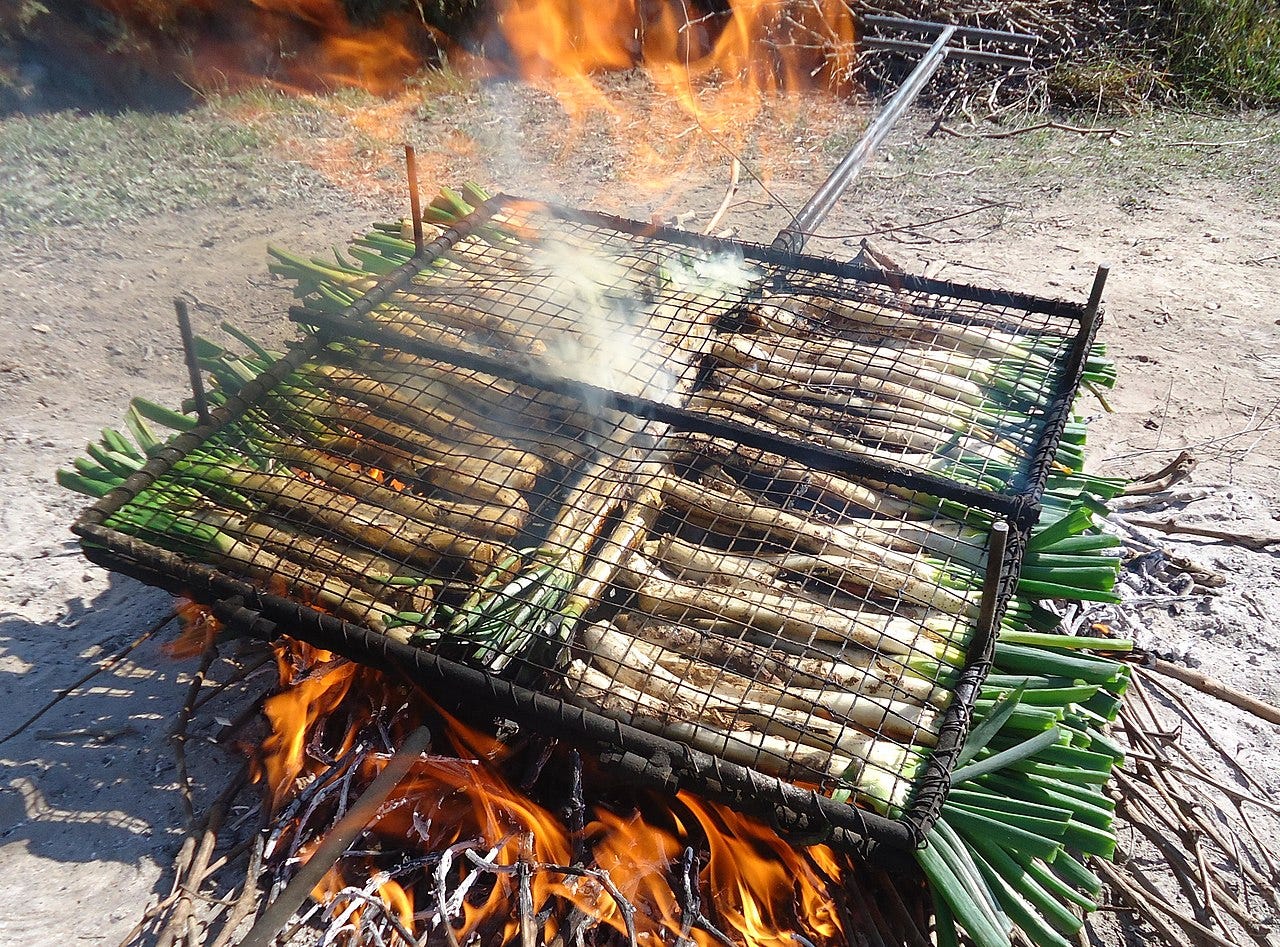
Before I left, it was setas (wild mushroom) season. They dominated the market stalls and restaurant menus. Then come the artichokes — twice a year, in spring and autumn. Early spring brings the Calçot experience, when long green onions are grilled over open flames and dipped in sauce. It’s messy, festive, and wonderfully social — everyone wears a bib, and no one stays clean.
Fruits follow their own rhythm too, arriving and disappearing quickly — leaving the stage for the next act. Just before I left, mandarins, quince, and the last figs of the season were on display.
I visit my local market at least once a week. It’s a delight — to see what’s new, plan a meal for friends, or chat with a vendor. At the stall, you don’t take a number; you simply ask, ¿Quién es la última? — Who’s the last? It’s often enough to start a conversation. I’ve swapped recipes and discovered herbs I’d never heard of before.
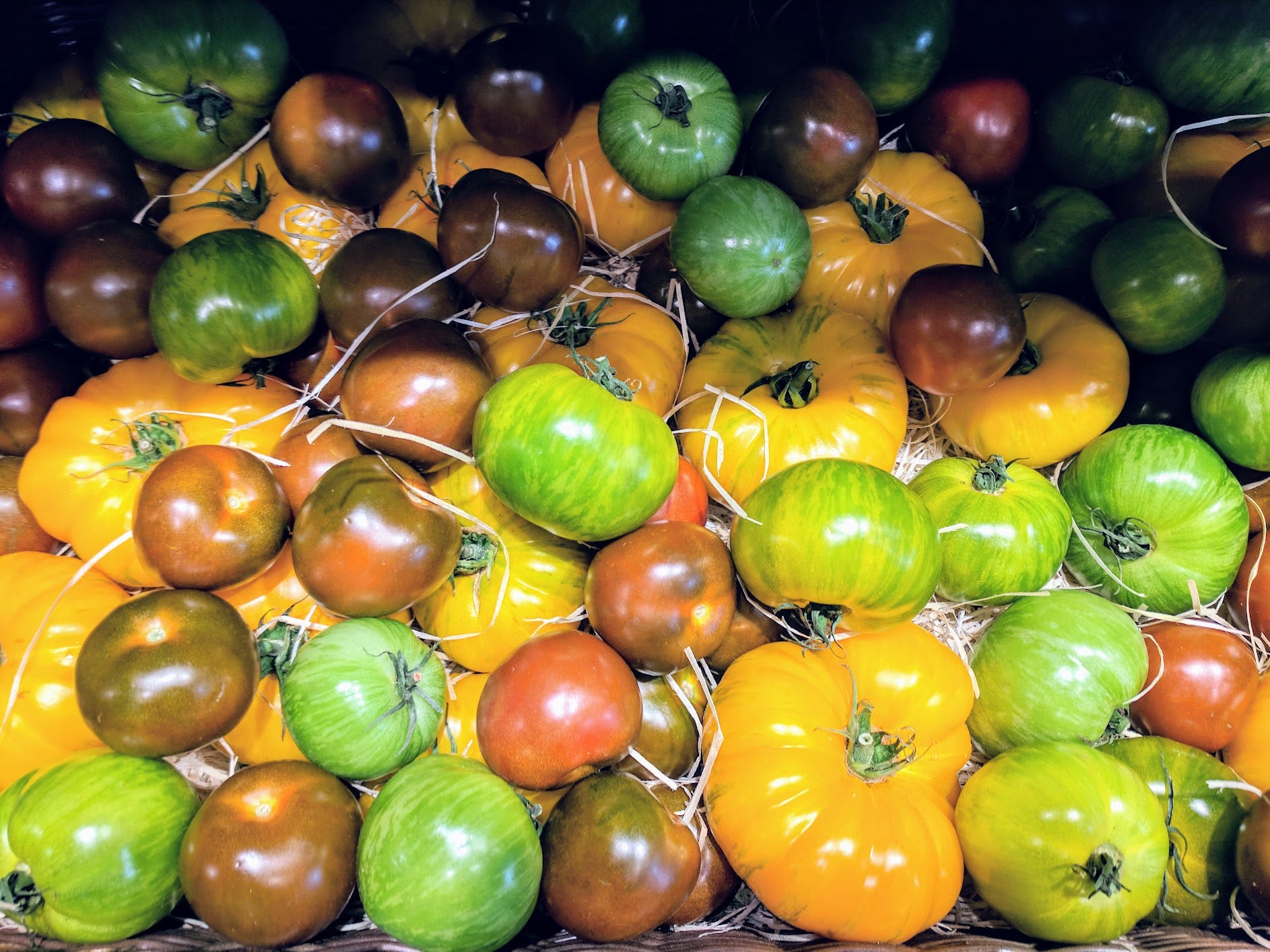
And the tomatoes! Available year-round thanks to the generous Mediterranean sun, but in their true season, they’re spectacular. I usually buy three to five varieties, slice them simply with olive oil and salt — and that’s a meal. Add white onion and a tin of tuna, and you have something restaurant-worthy. Mix them with figs or peaches, and you’ll impress even the most discerning dinner guests.
Barcelona also taught me the versatility of legumes. Chickpeas, white beans, and lentils are everywhere — not from tins, but sold freshly cooked in the markets. You buy a scoop, add olive oil and grilled fish or vegetables, and you have a perfect, healthy meal.
And then there are canelons — a special dish served on 26 December, made with leftover Christmas meat. Introduced by Italian chefs in the 19th century, it has become a true Catalan staple, now enjoyed year-round in versions ranging from vegan to seafood.
Food in Barcelona deserves its own story — and perhaps one day, it will have it.
6. Kissing and touching
Coming from a culture of handshakes and polite distance, Barcelona can feel overwhelming at first. Here, greetings are physical.
If you’re walking with a friend and meet someone they know, everyone gets introduced — and everyone kisses, regardless of gender or age. After a few minutes of chatting and promising to meet again, there’s another round of kisses to say goodbye. Do the maths: meet four people, and that’s sixteen kisses (two each way). The greeting often takes longer than the conversation.
7. La moda
People dress well in Barcelona. Their style is subtle — colourful but refined. It’s distinct from French chic or Italian flair; more in the spirit of Adolfo Domínguez and Massimo Dutti — both Spanish, both sleek and understated.
8. Foreign influence
Barcelona is fiercely proud, confident, and self-sufficient — yet it borrows freely, with full acknowledgment. You’ll hear americano for a long black coffee, americana for a man’s blazer. Russian salad and French omelette are staples on local menus.
In padel, saque australiano means both players serve from the same side; francés, amusingly, doesn’t mean French kiss — it means something else entirely.
9. The music that defines the city
I was at Plaça d’Espanya last Thursday for the 9 p.m. fountain show, accompanied by music. The first song was Barcelona by Freddie Mercury and Montserrat Caballé — the anthem of the 1992 Olympic Games. The song begins as a dream of people meeting and celebrates that dream coming true through the Olympics. It’s a thrilling, operatic call to gather in Barcelona — the city lifted into legend.
Rufus Wainwright has become one of Barcelona’s adopted sons. I’ve seen him three times in the past year. He performed Barcelona at the Pedralbes Festival, one of the city’s many open-air summer concert series. He calls Barcelona his refuge from fear and uncertainty — and when he sings, “Nothing really does compare to Barcelona,” the audience knows he means it. The song even nods to Verdi’s Macbeth, giving it an operatic richness that suits the city perfectly.
A different voice comes from Niña Pastori, the flamenco singer from Cádiz, in her song Bon Dia. I adore her music, so I joined tens of thousands of fans at her Barcelona concert. When she began Bon Dia, the crowd erupted. The song celebrates simple joys — morning light, sunrise, human connection. It opens the city outward, softens its seriousness, and reveals its warmth. Distinct from her other work, it feels perfectly tuned to Barcelona’s spirit.
10. Progressive politics and a strong economy
Spain is pursuing a genuinely progressive politics. I’ve been proud to see how the prime minister and his government have stood firm against militarisation despite international pressure — and how they’ve spoken out about the devastation in Gaza.
Economically, the country is thriving. Both The Economist and the Financial Times have reported on Spain’s remarkable performance. In 2025, its growth forecast sits at 2.6% — making it Europe’s fastest-growing major economy and one of the strongest among advanced nations. The Economist even named Spain the best-performing rich economy of 2024, across GDP growth, inflation, and unemployment.
Smart immigration policies have helped counter population decline, while investment in engineering — from high-speed rail to renewable energy and waste-management technologies — has built a strong foundation. Spain has also quietly increased its export of consulting, engineering, and technology services to nearly 8% of its GDP, according to The Economist (“What Spain Can Teach the Rest of Europe”).
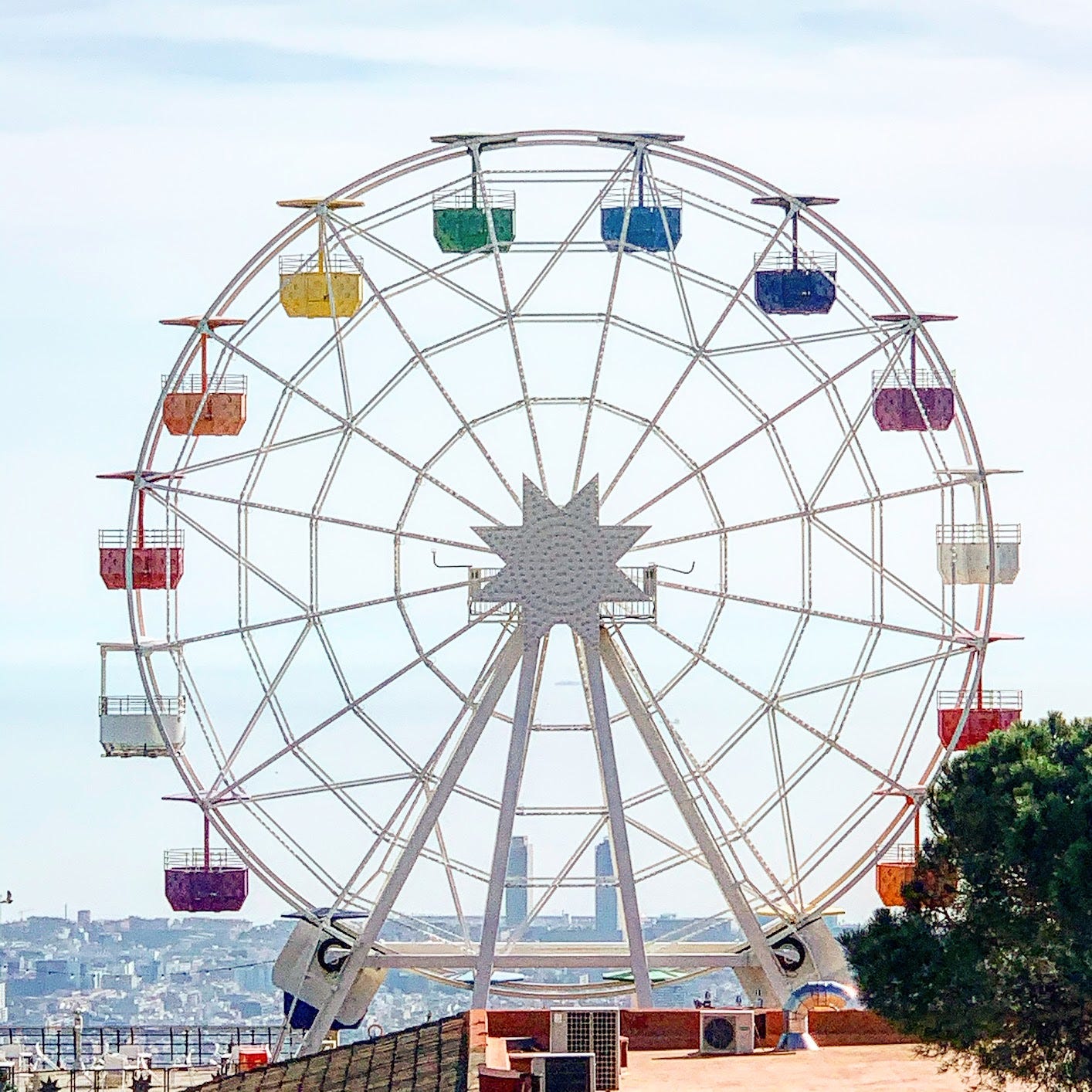
Another striking aspect is the visible acceptance of LGBTQI+ rights, even within a society that can seem conservative and closely knit — especially in Catalonia, where everyone seems to know everyone else. Homosexuality and same-sex marriage feel like yesterday’s issues. Today, the conversation is about gender fluidity, non-binary identities, and polyamory. I once met someone attending a workshop on how to manage her polyamorous relationship — a small but telling sign of the openness of contemporary Spain.
Spain’s fortune, perhaps, is that it has already lived through oppression — long before many others — under the Franco regime. Then, Spain’s diversity was denied: Catalan and Basque banned, divorce and abortion forbidden, homosexuals persecuted.
One hopes the Spanish will remember that what they have now is both precious and fragile — that their liberties and economic success depend on vigilance and care, and that they will resist the global drift toward populism and regressive politics.
Let’s hope Barcelona continues to be part of Spain’s success story for many years to come — a city that keeps charming and welcoming us in every way: through its social harmony, urban grace, artistic depth, and enduring prosperity.
Vamos.
Sydney, October 2025
From a Catalan native; Hurol I think you nailed it, so it is so clear you are already a true Catalan 😉
This is so informative for me, giving an in depth and insightful perspective on a beautiful and complex city.