
Welcome to Central Asia
On identity, language, and belonging

I have never felt this welcome anywhere in the world.
From immigration officers to taxi drivers,
from shopkeepers to strangers on the street —
there was a warmth that felt natural, unforced.
Is it culture?
Or kinship?
Or something in between?
A Kyrgyz taxi driver, with pale blue eyes, told me:
“You are in the homeland of your ancestors.”
I felt it.
In Kazakhstan,
faces I might once have read as foreign
became familiar the moment I heard the language.
In Bishkek,
some could have stepped straight out of Türkiye
and into these distant lands.
I stopped using English.
Turkish became enough.
Not perfect —
but enough.
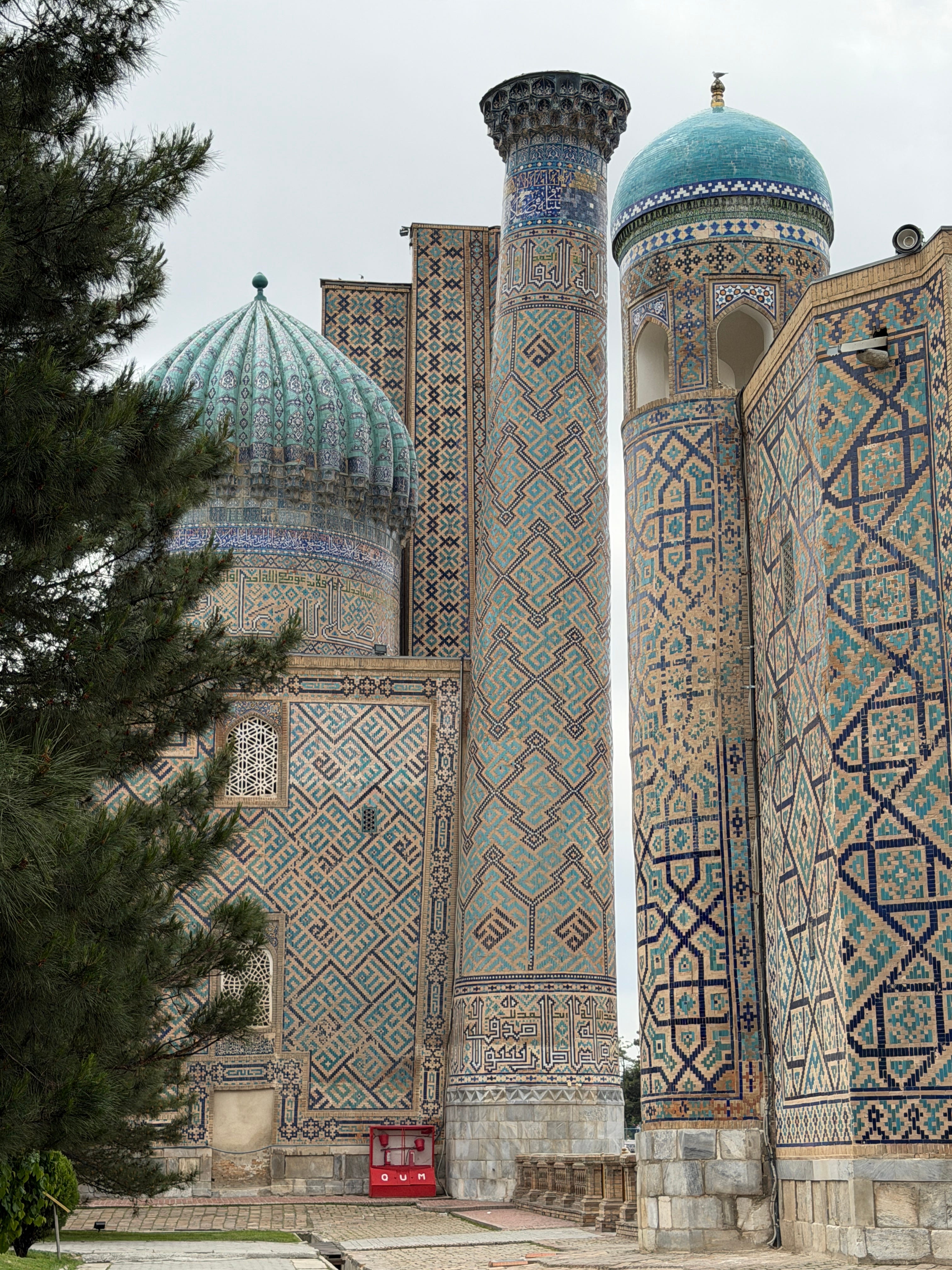
A strong Turkic identity kept surfacing.
I shared this with Zarina, a Kazakh guide,
as she walked me through the National Museum of Kazakhstan.
I told her that
they seemed to have clarity about who they were —
their identity, their national story.
“In Türkiye,” I said,
“it feels more complicated.”
I meant that some of us culturally lean toward Europe,
leaving the geography and lineage debates aside.
Zarina smiled, and gently disagreed.
“You are Turkic and Asian,” she said.
I wish it were that simple.
Turkish nationalism was never purely ethnic.
It was a project of belonging —
to a nation, to a set of progressive and secular ideals by Mustafa Kemal Atatürk.
Our culture has Turkic origins,
but it is layered with the cultures of Anatolian civilisations
and carries the imprint of the Ottoman Empire —
stretching across Eastern Europe, the Arabian Peninsula, and North Africa.
Kazakhstan, by contrast,
sits on the eastern edge of the Turkic world
and holds more firmly to those origins.
Two visible expressions of identity in Central Asia
are language
and the memory of nomadism.
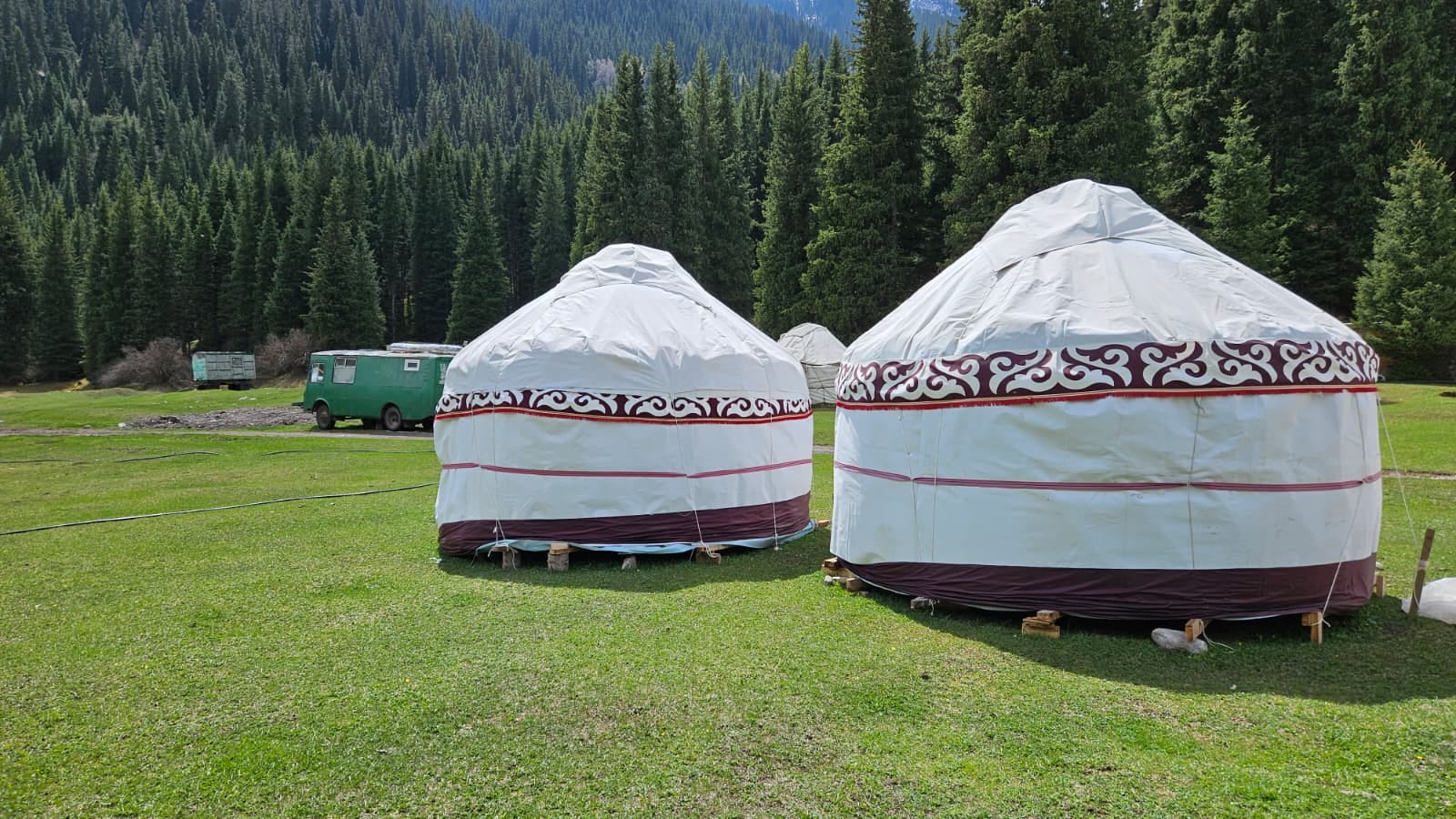
Nomadism is easy to symbolise through the yurt.
Both Kazakhstan and Kyrgyzstan
carry the shanyrak on their flags —
the circular opening at the centre of the yurt.
A structure.
A symbol.
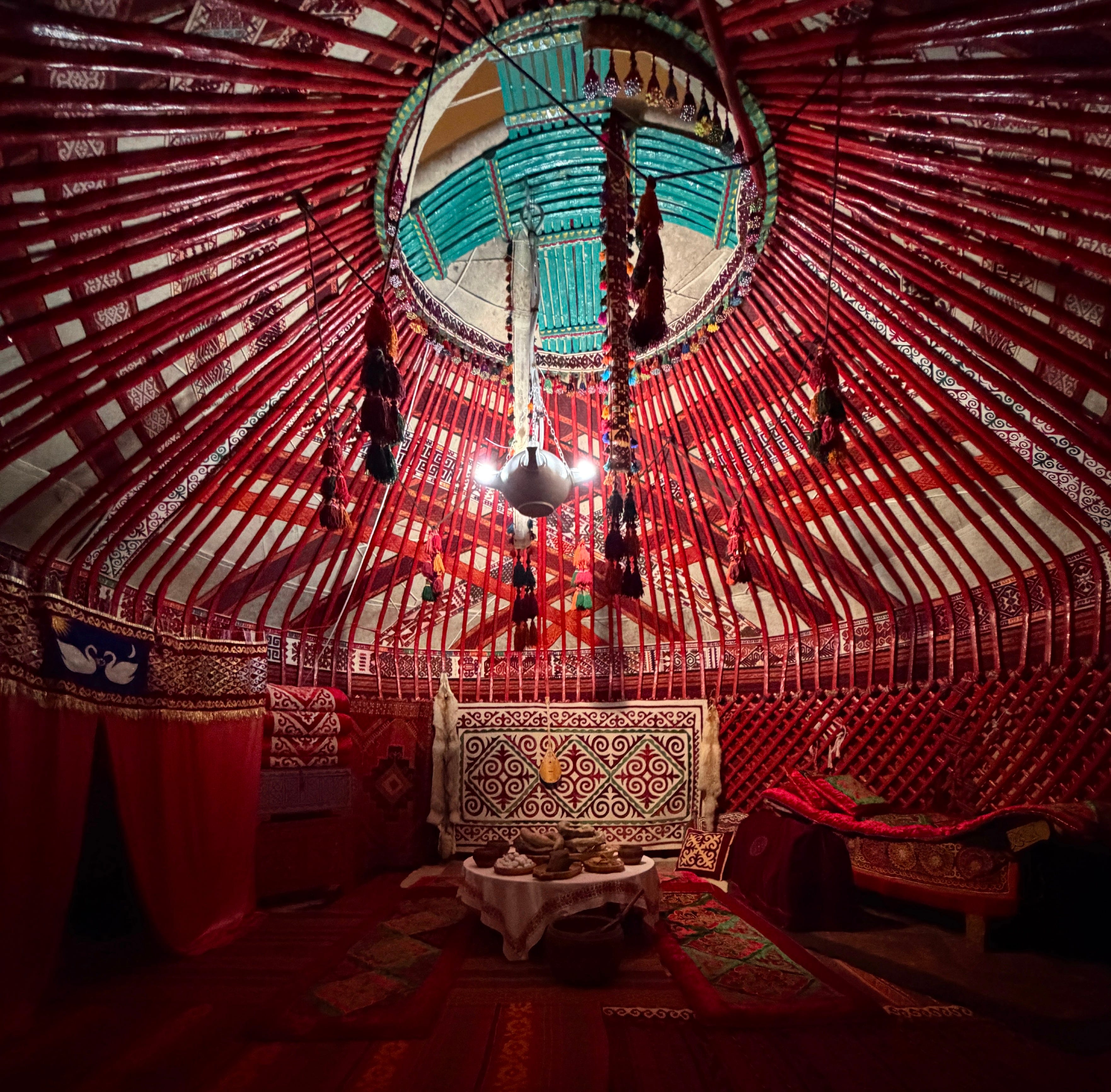
They organise Nomad Games —
part heritage, part spectacle, part tourism.
In Astana, there is even a yurt-shaped shopping centre,
facing the presidential palace across a vast urban axis.
Tradition and modernity,
side by side.
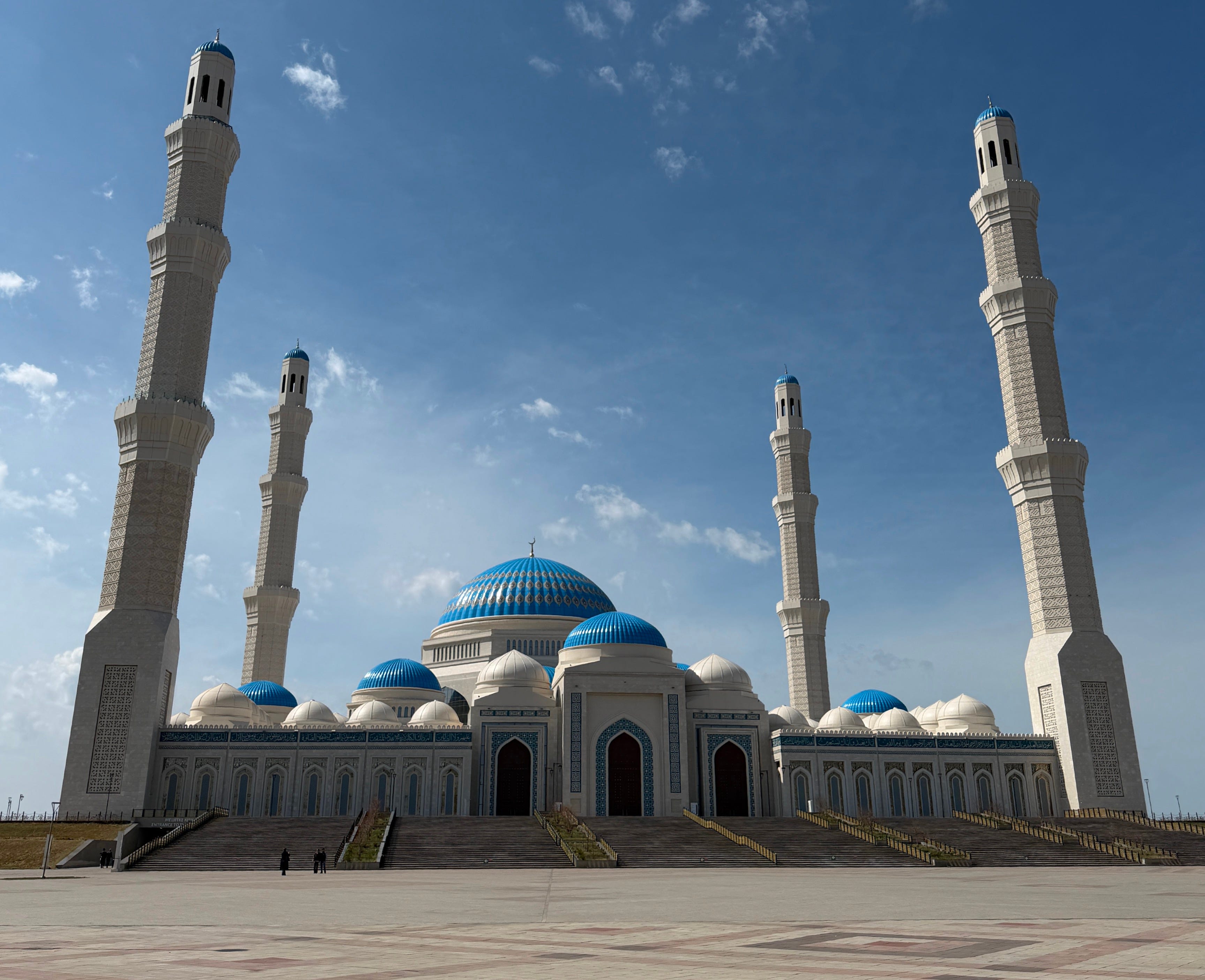
Religion sits alongside this identity.
Across the region, itineraries include
mosques, madrasas, and mausoleums.
Some date back to the 7th and 8th centuries,
when Islam first arrived.
Others have been restored —
carefully preserved as heritage.
And some are entirely new.
I’ll return to nomadism and religion in more depth
in the next piece.
For now, back to language.
Language: connection and distance
Our languages share roots.
Before arriving in Central Asia,
I travelled through Azerbaijan.
There, Turkish felt almost seamless.
Familiar.
Close.
Turkish TV series helped.
Further east, the connection thins.
In Kazakhstan, Kyrgyzstan, Uzbekistan,
understanding requires effort.
Still —
the bridge exists.
With patience,
you communicate through shared words
and slowly absorb new ones.
Yahsi for güzel — nice, beautiful.
Çetin for zor — difficult.
Beyond television,
young people study in Turkish schools and universities —
locally or in Türkiye —
and speak fluently.
This raises a question:
Should these languages be unified?
It would make communication easier —
a shared linguistic bridge,
without relying on Russian or English.
But something might be lost in the process.
Languages carry memory.
They hold traces of history —
Persian influences in Azerbaijan and Uzbekistan,
nomadic rhythms in the steppes of Kazakhstan and Kyrgyzstan.
To flatten them too much
is to risk losing that texture.
There are, of course, efforts to bring them closer.
The Turkic World Common Alphabet Commission
has proposed a 34-letter alphabet —
built on the 29 letters used in Türkiye,
with five additions: Q, X, W, Ň, and Ä.
An ambitious idea.
They identify 49 Turkic groups —
from major independent nations to the groups
such as Uyghurs, Tatars, Bashkirs, and Chuvash that reside in other states such as China and Russia.
You can imagine the scale of such a shift.
Not just cultural —
but practical.
Entire writing systems would need to change,
mostly for Cyrillic.
It leaves us, again, with a familiar tension:
between connection and difference,
between ease and richness.
And the question of how much we are willing to standardise —
to understand each other better and what that might lead to.
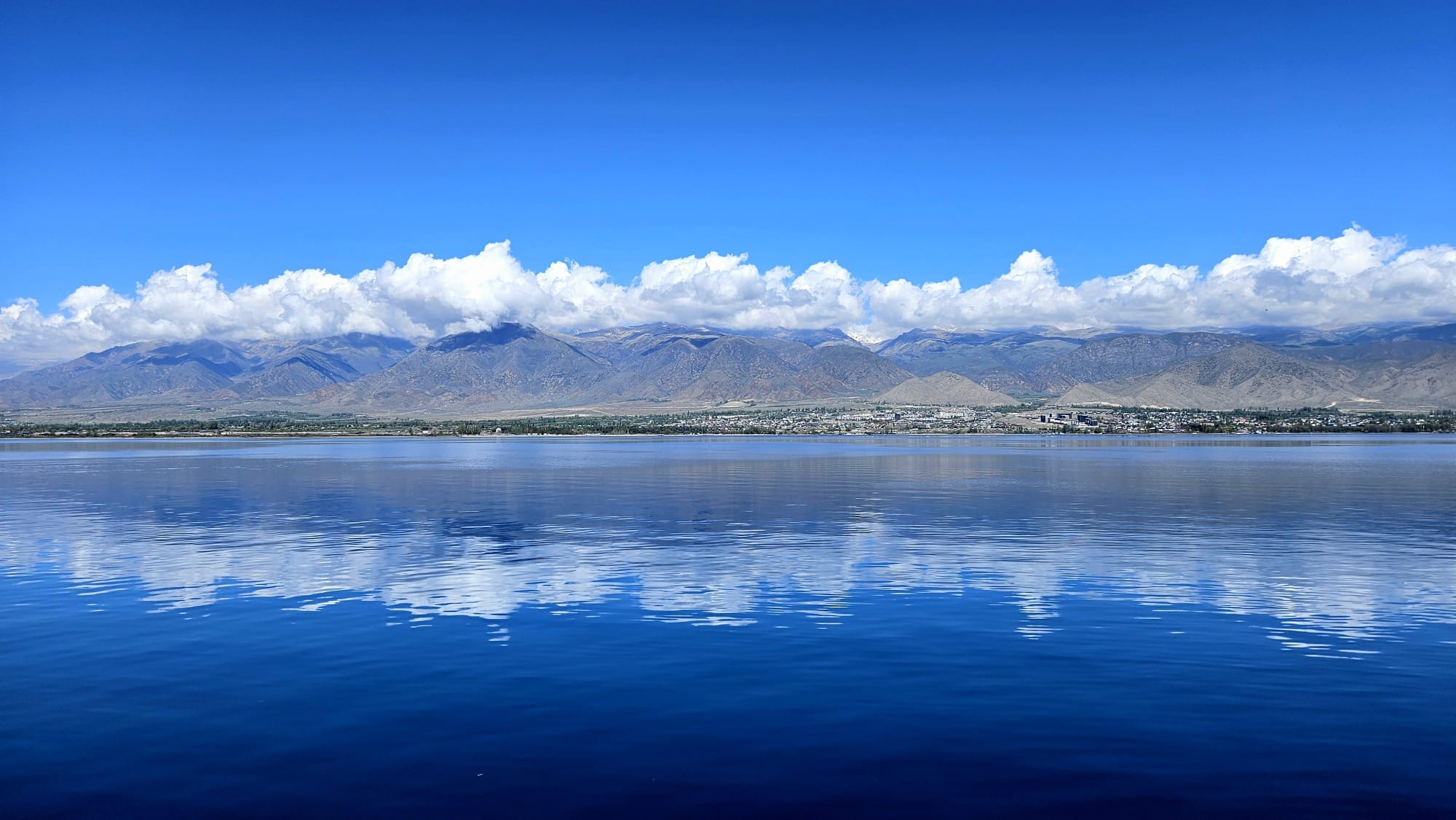
This region sits between powers:
Russia — history
China — commerce
Türkiye — culture
And in between,
people redefining themselves.
Perhaps that is the real story.
Not influence —
but choice.
And the hope that, in shaping their future,
they might show us something larger:
how to balance identity with openness,
power with restraint,
progress with care.
For me, the deeper realisation was this:
these were not distant cultures I was visiting.
They were fragments of a shared origin —
shaped differently over time,
but still recognisable.
Not identical.
Not unified.
But connected in ways
I had not fully understood before.
That night, walking back through the streets of Tashkent,
I realised it wasn’t history or politics that stayed with me.
It was something simpler —
a shared word,
a familiar smile,
and the feeling of being, somehow,
less foreign than I expected.
Footnotes
Books that travelled with me:
The Orientalist — Tom Reiss
The Day Lasts More Than a Hundred Years — Chinghiz Aitmatov
Ali and Nino — Kurban Said
The Railway — Hamid Ismailov
I travelled independently in the Caucasus and Uzbekistan,
and with Intrepid Travel in Kazakhstan and Kyrgyzstan.
Loved this piece Hurol! So fascinated by this story, and the way you tell it. Although I have been almost on the border btw China and Kazakhstan, I never thought about the shared history, and the language, with Turkey. You need to tell me more about it when we see each other.
An amazing insight
- a lived experience gives you that depth of understanding, and gives others an insight to a different world